Ledger Login: A Fresh 1200-Word Guide
When someone uses a Ledger device to manage their digital assets, the login experience plays a major role in how they interact with it. Ledger products are different from most online services because they are built around a security model that does not rely on a traditional username-and-password login system. Instead, Ledger uses a combination of hardware verification and software tools to ensure that only the rightful owner of the device can access their accounts. This guide explains what the Ledger login process really means, how it works, and why it is shaped the way it is.
Understanding What “Ledger Login” Really Means
Unlike typical websites or apps where users type a password to sign in, Ledger’s system is structured around physical confirmation. When people refer to “Ledger login,” they are usually talking about the steps required to access and use Ledger Live, the companion application for Ledger hardware wallets.
Ledger Live does not store private keys. It also does not authenticate users through online credentials. Instead, the “login” experience happens through connecting the Ledger hardware wallet, unlocking it with a PIN, and giving permission directly on the device. This allows users to manage their digital assets while keeping sensitive information offline.
Since the hardware wallet is the core of the login process, the security of the device becomes the first line of protection.
The Role of the Hardware Wallet in the Login Process
Ledger’s security system is built around the idea that a private key should never be exposed to the internet. To accomplish this, Ledger stores private keys inside a secure chip on the hardware wallet. To access this wallet, the user must enter a PIN directly on the device. This step is what protects the wallet if it falls into the wrong hands.
Once the PIN is entered, the hardware wallet becomes active and ready to communicate with Ledger Live. Every action—adding accounts, checking balances, sending digital assets—still requires confirmation on the device itself. This structure ensures that the user is always in control.
In simple terms:
PIN unlocks the hardware wallet
Hardware wallet communicates with Ledger Live
Device buttons confirm important actions
This replaces the concept of a password-based online login system.
Connecting the Ledger Device to Ledger Live
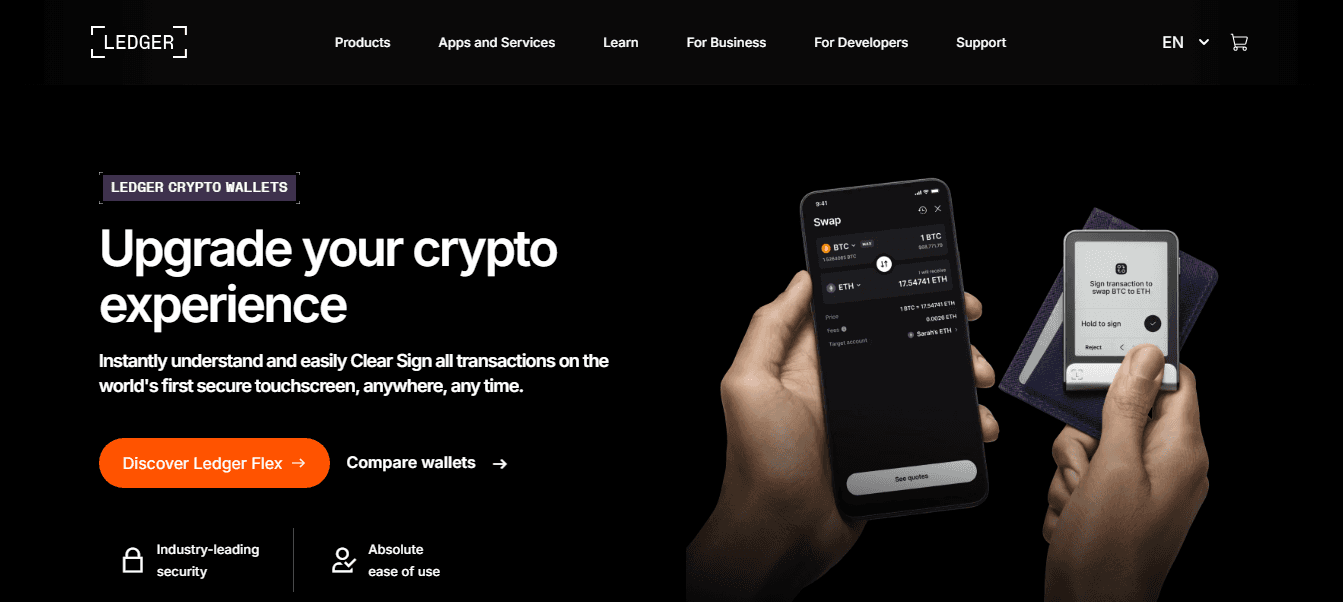
After unlocking the hardware wallet, the next step in the login experience is opening Ledger Live. The app serves as the visual interface that shows the user’s portfolio, accounts, and other features. When the device is connected, Ledger Live recognizes it and allows the user to begin interacting with their assets.
The app may ask the user to:
Confirm that the device is genuine
Approve access to specific features
Allow communication between the hardware wallet and the app
Each step reinforces the security structure. Ledger Live cannot operate without the hardware device, and the device always requires physical confirmation.
This means the login process is not tied to a cloud account—everything depends on possession of the physical wallet and knowledge of the PIN.
Why Ledger Doesn’t Use Traditional Login Credentials
Ledger intentionally avoids using usernames or passwords for its login process. This decision is based on important security principles. Passwords can be guessed, stolen, or leaked. Even strong passwords depend on server security, which can potentially be compromised.
By keeping the entire authentication system offline and tied to a hardware device, Ledger reduces the risks associated with online login mechanisms. The system becomes safer because:
There is no online account to hack
Private keys never leave the hardware wallet
Every action requires a physical confirmation
Malware cannot authorize transactions without the device
This approach shifts security from traditional digital authentication to a combination of physical access and secure chip technology.
Exploring the Ledger Live Interface After Login
Once the user connects their hardware wallet and unlocks it, Ledger Live becomes fully accessible. Ledger Live contains several sections that help users manage their digital assets efficiently.
Portfolio Section
The Portfolio page gives a complete overview of all connected accounts. It shows total value, recent changes, and performance over time. This helps users keep track of how their assets are moving in the market.
Accounts Section
The Accounts area breaks down each crypto network individually. Users can check balances, view transaction history, and organize their digital assets according to the blockchain they belong to.
Manager Section
Manager allows the user to install or remove apps related to different networks. Each blockchain—such as Bitcoin, Ethereum, Solana, and others—needs a specific app installed on the hardware wallet. The Manager also guides users through firmware updates.
Discover Section
This area introduces additional tools that can be used within Ledger Live. These might include educational modules, learning resources, or blockchain network tools.
These sections collectively form the user’s environment once the hardware wallet “login” is complete.
The Importance of PIN Protection
The PIN code is a key element in Ledger’s login process. It is the only method for unlocking the hardware wallet. Without it, the device remains inaccessible even if someone has physical possession of it.
Since Ledger devices introduce security measures that wipe the device after too many incorrect PIN attempts, guessing the PIN is nearly impossible. This adds another layer of safety.
The PIN protects:
Access to Ledger Live
The ability to confirm transactions
The contents of the secure chip
The private keys stored on the device
Because the PIN is entered on the physical device itself, it cannot be intercepted by keyloggers or malware.
Recovery Phrase and Its Connection to Login
The recovery phrase—the 24-word backup created during device setup—is separate from the login process, but it plays an important role in long-term access.
Even though Ledger does not use an online login system, the recovery phrase serves as the ultimate safeguard. If the user loses their device or forgets their PIN, the recovery phrase allows them to restore their wallet on a new Ledger device.
It is crucial to store this phrase safely and offline. It is the only way to recover access if something happens to the hardware wallet.
Privacy and Local Protection
Ledger Live includes several privacy settings that support the login experience. While users do not log in online, they can still secure the app locally with a password. This optional step prevents others from opening Ledger Live on the computer and viewing portfolio information.
Additional privacy features may include:
Obscuring balances
Limiting data sharing
Controlling analytics settings
These options help users protect their information on their personal device.
Why the Ledger Login System Stands Out
The Ledger login system is unique because it prioritizes security through physical interaction. Instead of trusting passwords or remote authentication servers, Ledger focuses on the following principles:
Offline private key storage
Physical confirmation for all actions
No cloud account required
No remote login vulnerabilities
PIN protection on the device
Secure chip technology
This approach minimizes digital threats and gives users control over their information.
Conclusion
The Ledger login process is not based on traditional online accounts or passwords. Instead, it centers around connecting a Ledger hardware wallet, unlocking it with a PIN, and confirming actions directly on the device. This creates a safer and more controlled environment for managing digital assets.
Ledger’s system ensures that private keys stay offline, transactions cannot happen without approval, and the user’s security depends on physical possession and knowledge of the PIN. Ledger Live works as the visual interface, but the hardware wallet remains the core of the login experience.
Together, they form a secure, modern, and reliable system for interacting with digital assets—giving users confidence that their information stays protected from online threats.